
Does Cartier Buy Back Jewelry? An Insider’s Guide to Resale Value & Trade-ins
Does Cartier buy back jewelry? Officially, NO. Learn why their trade-in program might be a rip-off and discover the best ways to sell your Cartier Love bracelet for top dollar in 2026. Don't lose 50% of your value!
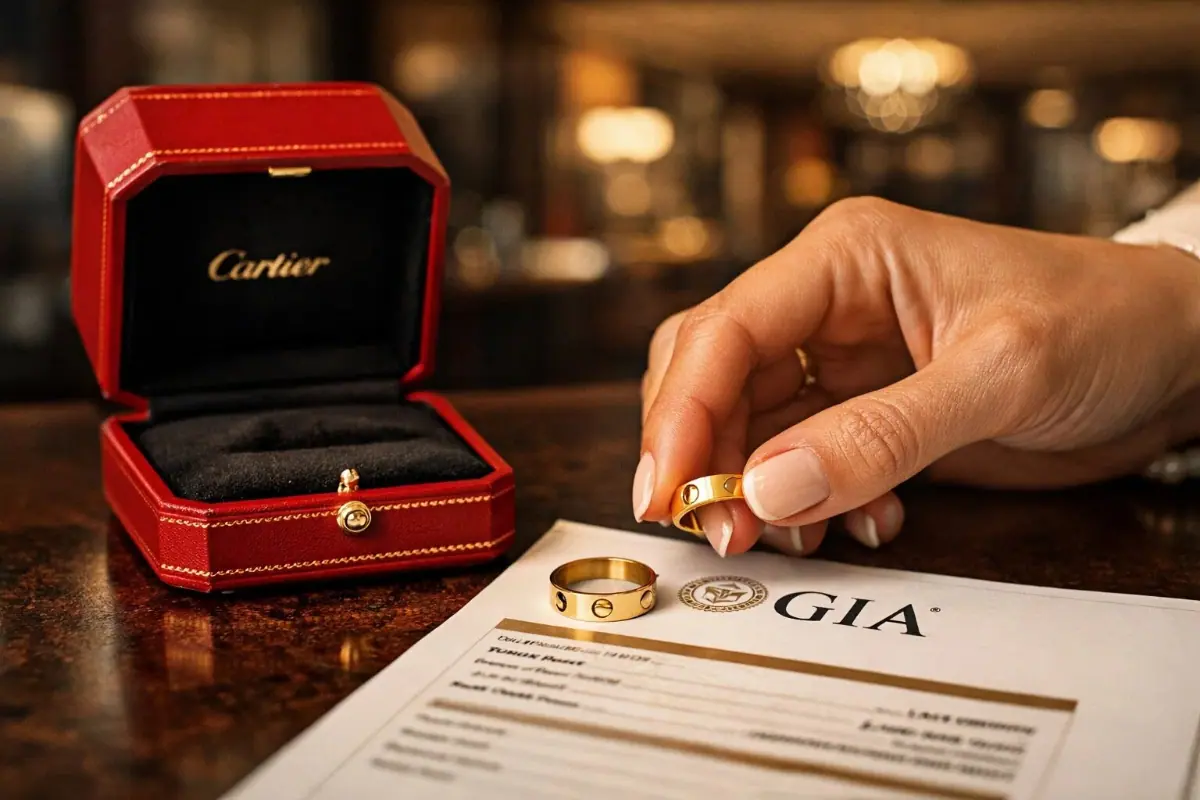
Don’t count on Cartier to buy back that ring you bought three years ago. In other words, does Cartier buy back jewelry? Officially, they have no buyback program. They aren’t a bank; they won’t foot the bill for your impulse purchases. However, under certain conditions, you can trade in your old piece toward a new one—provided you’re willing to accept a steep discount.
Does Cartier offer jewelry trade-ins?
Cartier does indeed have a “trade-in” system, but it is by no means a benefit for the average consumer. I reviewed their internal policy documents and found that only “hard currency” items like the Love and Juste un Clou collections are eligible for trade-ins at select stores in certain countries. You must present the original invoice, warranty card, and certificate of authenticity—all three are required.
The trade-in value is a carefully calculated rip-off. For a Love bracelet originally purchased for 30,000 yuan, after three years of wear, the brand typically allows only 12,000 to 15,000 yuan to be applied toward a more expensive new piece. This is far lower than the 40% residual value found in the second-hand market. The brand euphemistically calls this an “upgrade service,” but in reality, it’s designed to lock customers into making a second purchase.
No salesperson will ever tell you this outright: if you don’t buy a new item, this trade-in credit is worthless. It cannot be exchanged for cash or transferred to others. It’s merely a lure designed to entice you to spend more.
Do Cartier rings and bracelets hold their value?
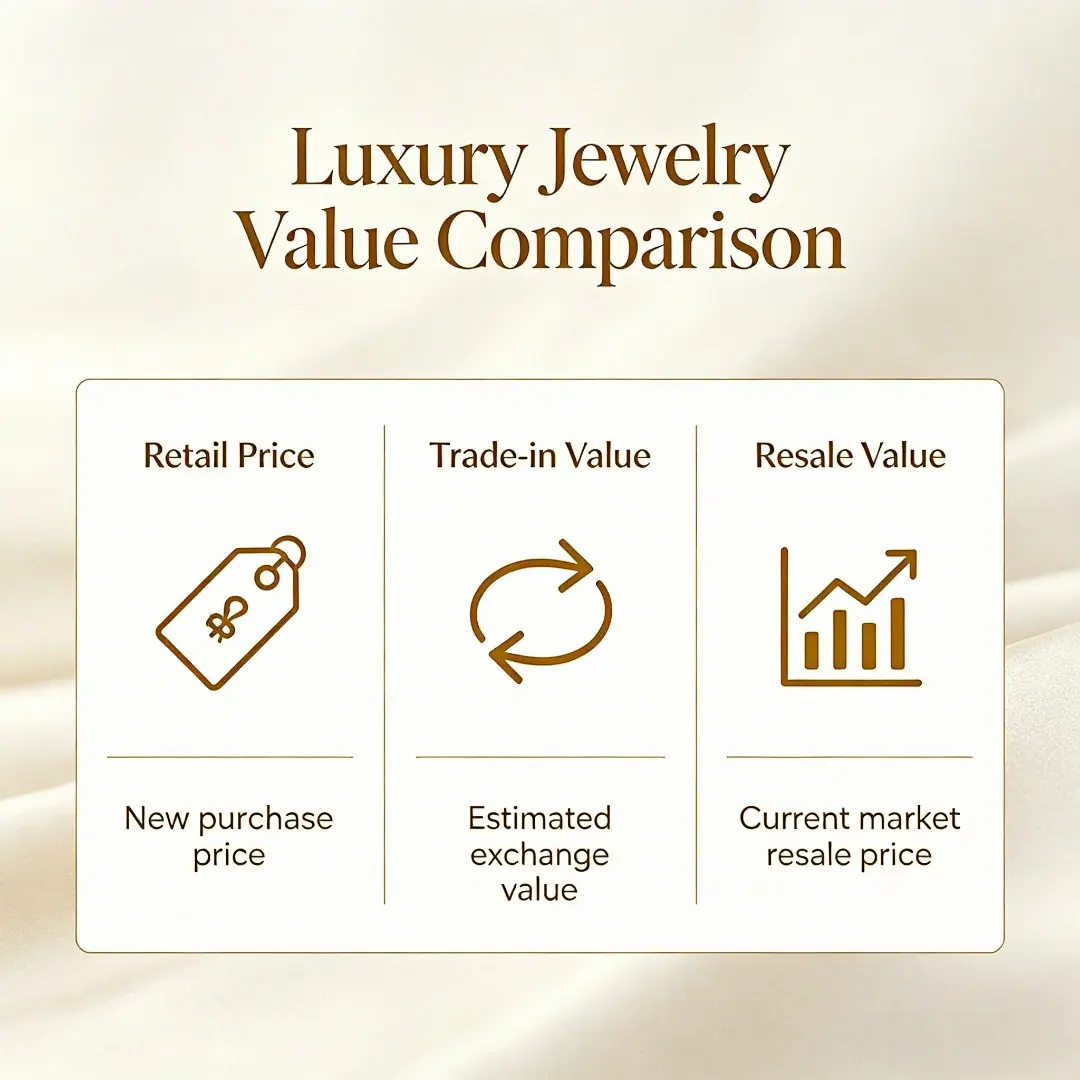
In the secondary market, Cartier’s performance is extremely polarized. The Love bracelet and Panthère (Panther) collections are true hard assets. According to 2025 transaction data from The RealReal, classic models with all original accessories can maintain a resale value of 40% to 65% of their original price (MSRP). This is top-tier performance in the luxury goods industry.
Models with pavé-set diamonds and non-classic seasonal designs are the hardest hit by depreciation. Those “luxury” models priced at 50,000 yuan and covered in pavé diamonds lose half their value the moment they leave the counter. Resellers calculate value based solely on the weight of the gold and the value of the center stone, stripping away the brand premium entirely. Of your 50,000 yuan purchase, 30,000 yuan goes toward brand marketing—a cost that vanishes entirely upon resale.
The completeness of the accessories determines the piece’s fate. An original box, a receipt, and a certificate of authenticity can boost your resale price by over 20%. Cartier jewelry without a certificate often fails to sell at auction or is driven down to the cost of raw materials.
How to Sell Cartier Jewelry for Top Dollar?
Since official channels don’t accept cash, you need to find buyers who truly value the item. Top auction houses like Sotheby’s or Christie’s are suitable for antique-grade pieces or unique items with celebrity provenance, but their commissions can reach 25%. For standard pieces, vertical platforms like The RealReal or Vestiaire Collective are a better option. Although they charge a 15%–30% service fee, they give you access to a global buyer base.
Local professional resellers are a last resort, but you must proceed with extreme caution. Never walk into a street-side pawn shop. They calculate prices based solely on the weight of 18K gold, completely disregarding the premium for Cartier’s craftsmanship. A watch worth 100,000 yuan might fetch only 20,000 yuan in scrap gold value at a pawn shop.
Finding a private buyer or professional secondhand store with a GIA-certified gemologist is key to preserving value. Insist that they quote based on “secondhand market value” rather than “scrap gold value.” Shop around and don’t accept the first offer.
Does Cartier support online jewelry buyback?
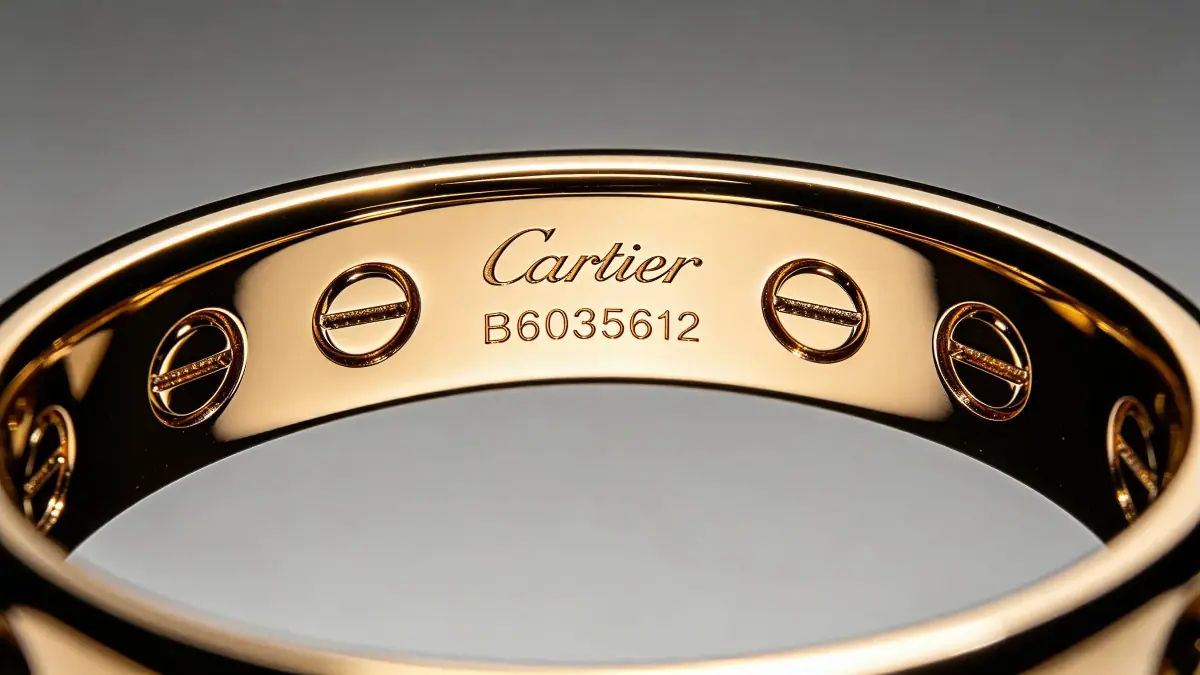
The internet is flooded with ads for “high-value online buybacks,” 99% of which are scams or “pig-butchering” schemes. These websites typically give you an inflated initial quote to lure you into shipping your jewelry. Once they receive the item, they’ll slash the offer by 70% under the pretext of “minor scratches” or “diamond clarity discrepancies.”
The only useful online tool is the official Cartier Care registration. Although it does not involve buyback, activating your jewelry within the system generates an tamper-proof digital ID. This verifies authenticity in second-hand transactions, encouraging buyers to pay a premium, and serves as your only shield against fraud.
Do not trust any third-party buyback platforms claiming to “collaborate with Cartier internally.” Cartier’s legal department maintains strict control over the brand and has never authorized any external agency to conduct cash buybacks.
Does Cartier buy back bracelets?
The brand does not officially buy back bracelets. Cash buybacks are not supported. Only when purchasing a higher-priced new item can certain classic models (such as the
Love bracelet) be used as trade-in, and the trade-in value is extremely low.
Do I need a certificate to sell pre-owned Cartier?
Absolutely. The certificate and original invoice are essential for achieving a premium price when selling pre-owned Cartier. Jewelry without a certificate typically sees its buyback price reduced by 20%–30%, or may even be rejected.
Why doesn’t Cartier buy back its own jewelry?
To maintain its pricing structure. If the brand were to buy back large quantities of used items and sell them at discount stores, it would directly undermine the MSRP (Manufacturer’s Suggested Retail Price) of new products. Cartier would rather destroy unsold inventory than allow secondhand goods to disrupt its “timeless luxury” brand image.
This is a ruthless business protection strategy—don’t expect Cartier to buy back cartier love ring you purchased three years ago. In other words, does Cartier buy back jewelry? Officially, there is no buyback program. They are not a bank; they won’t foot the bill for your impulse purchases. However, under specific conditions, you can trade in older pieces toward a new purchase—provided you’re willing to accept a steep discount.
Does Cartier support jewelry trade-ins?
Cartier does indeed have a “trade-in” mechanism, but this is by no means a benefit for the average consumer. I reviewed their internal policy documents and found that only “hard currency” items like the Love and Juste un Clou collections are eligible for trade-ins at select stores in certain countries. You must present the original invoice, warranty card, and certificate of authenticity—all three are mandatory.
The trade-in value is a carefully calculated rip-off. For a Love bracelet originally purchased for 30,000 yuan, after three years of wear, the brand typically allows only 12,000 to 15,000 yuan to be applied toward a more expensive new piece. This is far lower than the 40% residual value found in the second-hand market. The brand euphemistically calls this an “upgrade service,” but in reality, it’s designed to lock customers into making a second purchase.
No salesperson will ever tell you this outright: if you don’t buy a new item, this trade-in credit is worthless. It cannot be exchanged for cash or transferred to others. It is merely a lure designed to entice you to spend more.
Do Cartier rings and bracelets hold their value?
In the secondary market, Cartier’s performance is extremely polarized. The Love bracelet and Panthère (Panther) collections are true hard assets. According to 2025 transaction data from The RealReal, classic models with all original accessories can maintain a resale value of 40% to 65% of their original price (MSRP). This is top-tier performance in the luxury goods industry.
Models with pavé-set diamonds and non-classic seasonal designs are the hardest hit by depreciation. Those “luxury” models priced at 50,000 yuan and covered in pavé diamonds lose half their value the moment they leave the counter. Resellers calculate value based solely on the weight of the gold and the value of the center stone, stripping away the brand premium entirely. Of your 50,000 yuan purchase, 30,000 yuan goes toward brand marketing—a cost that vanishes entirely upon resale.
The completeness of the accessories determines the piece’s fate. An original box, a receipt, and a certificate of authenticity can boost your resale price by over 20%. Cartier jewelry without a certificate often fails to sell at auction or is driven down to the cost of raw materials.
How to Sell Cartier Jewelry for Top Dollar?
Since official channels don’t accept cash, you need to find buyers who truly value the item. Top auction houses like Sotheby’s or Christie’s are suitable for antique-grade pieces or unique items with celebrity provenance, but their commissions can reach 25%. For standard pieces, vertical platforms like The RealReal or Vestiaire Collective are a better option. Although they charge a 15%–30% service fee, they give you access to a global buyer base.
Local professional resellers are a last resort, but you must proceed with extreme caution. Never walk into a street-side pawn shop. They calculate prices based solely on the weight of 18K gold, completely disregarding the premium for Cartier’s craftsmanship. A watch worth 100,000 yuan might fetch only 20,000 yuan in scrap gold value at a pawn shop.
Finding a private buyer or a professional secondhand store with a GIA-certified gemologist is key to preserving value. Insist that they quote based on “secondhand market value” rather than “scrap gold value.” Shop around and don’t accept the first offer.
Frequently Asked Questions
Does Cartier buy back bracelets?
The brand does not officially buy back bracelets. Cash buybacks are not supported. Only when purchasing a higher-priced new item can certain classic models (such as the Love bracelet) be used as trade-in, and the trade-in value is extremely low.
Do I need a certificate to sell pre-owned Cartier?
Absolutely. The certificate and original invoice are essential for achieving a premium price when selling pre-owned Cartier. Jewelry without a certificate typically sees its buyback price reduced by 20%–30%, or may even be rejected.
Why doesn’t Cartier buy back its own jewelry?
To maintain its pricing structure. If the brand were to buy back large quantities of used items and sell them in outlet stores, it would directly undermine the MSRP (manufacturer’s suggested retail price) of new products. Cartier would rather destroy unsold inventory than allow secondhand goods to disrupt its “timeless luxury” brand image. This is a ruthless logic of business protection.
About the Author

James Wong is a senior jewelry researcher with 8+ years of experience in luxury brand authentication. Specializing in legacy brands like Cartier and Mikimoto, he combines technical testing with market trend analysis to provide industry-leading guides on gold, silver, and gemstones.
- Cartier vs Tiffany: Which Luxury Jewelry Brand is Right for You? - Post Date: 2026-04-09
- Cartier vs Van Cleef & Arpels: Which Jewelry Holds Value Better in 2026? - Post Date: 2026-04-06
- How does Fred jewelry compare to Cartier? 2026 Luxury Jewelry Showdown - Post Date: 2026-04-01
- Does Cartier Jewelry Hold Its Value Well? Full Resale & Investment Guide - Post Date: 2026-03-29
- How to put on cartier love bracelet - Post Date: 2026-03-24
- Do cartier bracelets scratch - Post Date: 2026-03-24
- Where are cartier glasses made - Post Date: 2026-03-24
- How to unscrew cartier love bracelet - Post Date: 2026-03-23
- Which is more luxury Cartier or Tiffany - Post Date: 2026-03-19
- What is the cheapest jewelry at Cartier - Post Date: 2026-03-19
- Why is Cartier so expensive?What is special about Cartier? - Post Date: 2026-03-15
- skyworth tv is what brand?skyworth tv is it easy to use for? - Post Date: 2026-03-11
- Why is Van Cleef so expensive?Is Cartier or Van Cleef cheaper? - Post Date: 2026-03-17
- Why is Graff so expensive?Is Graff a high-end jewelry brand? - Post Date: 2026-03-18
- Is Cartier worth the money?Which is more expensive cartier or bvlgari jewelry? - Post Date: 2026-03-17
- 925 Silver vs Stainless Steel Jewelry - Post Date: 2026-03-20
- Is Bulgari a Luxury Brand?Is Bulgari higher than Cartier? - Post Date: 2026-03-18
- Why is Tiffany so expensive now?Is Tiffany considered a luxury brand? - Post Date: 2026-03-17
- Dreame brand is from which country?Is Dreame owned by Xiaomi? - Post Date: 2026-03-15
- How does the Pigeon brand ensure product safety - Post Date: 2026-03-17
- How to Clean Alex and Ani Jewelry: The Safe & Effective Guide (2026) - Post Date: 2026-04-10
- Do Gnoce Charms Fit Pandora? The 2026 Compatibility Guide - Post Date: 2026-04-10
- Is pavoi jewelry waterproof - Post Date: 2026-04-10
- Gnoce vs Pandora: Which Charm Jewelry Is Better? (2026 Ultimate Guide & Reddit Reviews) - Post Date: 2026-04-10
- Does Pavoi Jewelry Tarnish? What You Must Know Before Buying - Post Date: 2026-04-09
- Is Leafael Jewelry Real? The Ultimate 2026 Truth Behind the Sparkling Crystals - Post Date: 2026-04-09
- Cartier vs Tiffany: Which Luxury Jewelry Brand is Right for You? - Post Date: 2026-04-09
- Is Messika Real Diamonds? The Truth Exposed in Our 2026 Guide - Post Date: 2026-04-08
- Where is Messika Jewelry From? The Authentic Brand Origin Guide - Post Date: 2026-04-08
- David Yurman vs John Hardy: Which Artisan Jewelry Brand is Better in 2026? - Post Date: 2026-04-08