
How much is a pandora bracelet
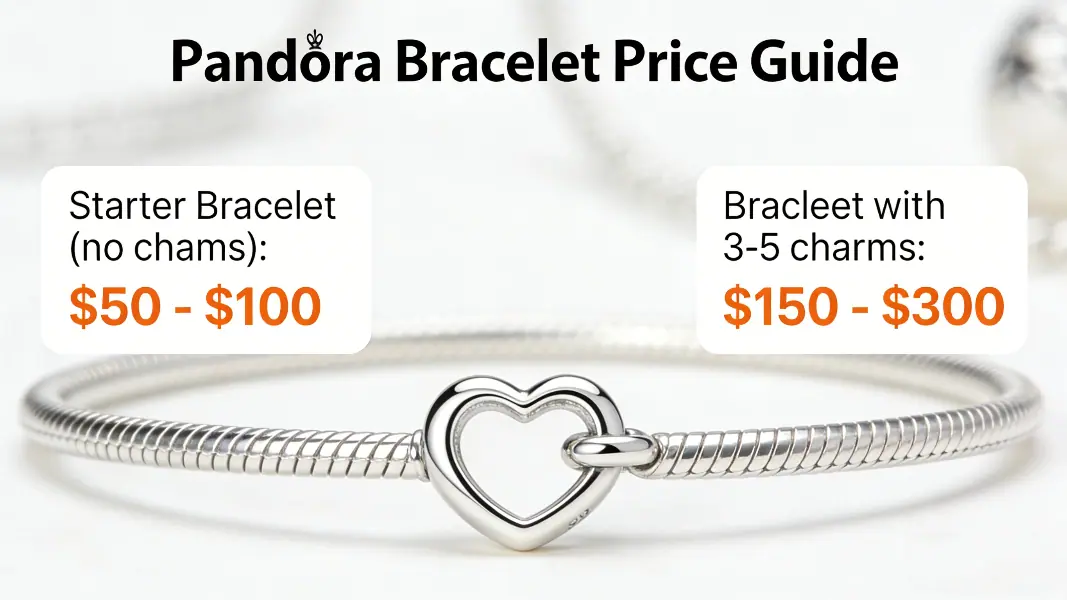
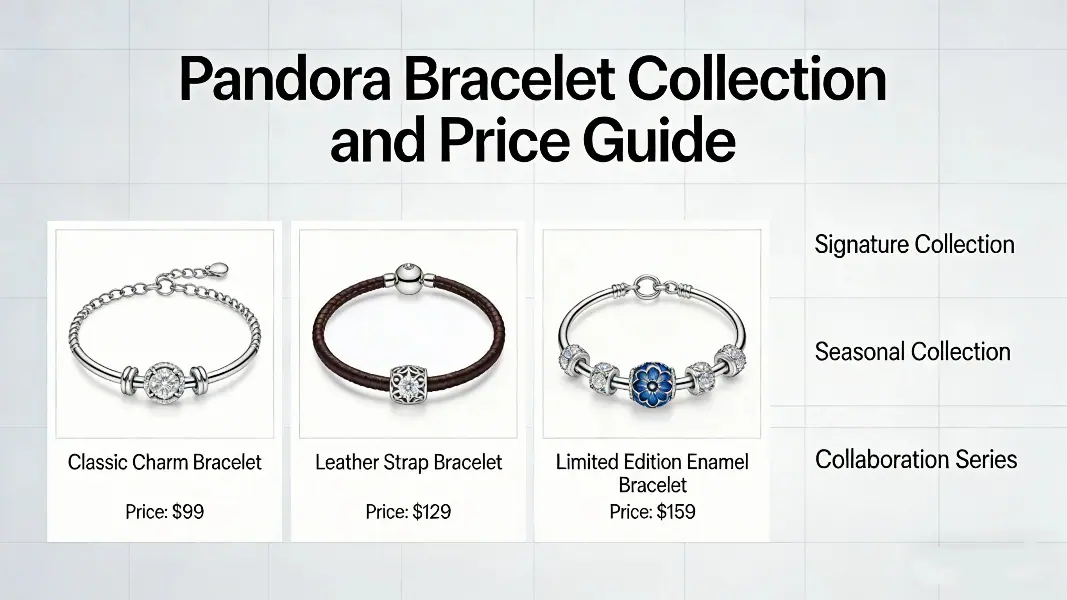
How much is a pandora bracelet? Learn the full price range from entry-level sterling silver to luxury gold styles, plus key cost factors and pre-owned savings.
Mikimoto pearls are renowned worldwide as the gold standard of Japanese cultured pearls, synonymous with luxury, elegance, and timeless craftsmanship. As the brand that revolutionized the pearl jewelry industry, Mikimoto’s iconic pearls are highly sought after by collectors, gift-givers, and jewelry enthusiasts alike. Learning how to spot fake Mikimoto pearls is essential for anyone looking to invest in authentic pieces, avoid overpaying for replicas, and ensure their jewelry holds its value for generations. This guide will break down expert methods to distinguish genuine Mikimoto pearls from convincing fakes, covering visual cues, physical tests, and professional verification.
1. Understand the Core Characteristics of Genuine Mikimoto Pearls
Genuine Mikimoto pearls have distinct traits that set them apart from fake or replica pearls. First, Mikimoto pearls are almost exclusively Akoya pearls, farmed in the coastal waters of Japan. These pearls feature a unique luster that combines deep iridescence with a soft, creamy glow—something most fake pearls cannot replicate. Genuine Mikimoto pearls also have a consistent nacre thickness, typically ranging from 0.3mm to 0.4mm, which contributes to their signature shine. Fake pearls often use thinner nacre or artificial coatings, leading to a dull or plastic-like appearance.
2. Evaluate Luster and Iridescence
Luster is the single most important factor in identifying fake Mikimoto pearls. Genuine Mikimoto pearls have a rich, deep luster that seems to emanate from within the pearl, with a rainbow-like iridescence (orient) that shifts as you move the pearl. Fake pearls, by contrast, often have a flat, surface-level shine with no depth. To test this, hold the pearl up to a light source: genuine pearls will reflect light in a layered, diffused way, while fakes will show a harsh, single-layer reflection. This visual difference is one of the easiest ways to spot fake Mikimoto pearls.
3. Check for Surface Imperfections
Every genuine Mikimoto pearl has natural, subtle surface characteristics that are part of its authenticity. Minor blemishes, faint growth lines, or slight unevenness are signs of a natural pearl. Fake pearls, especially mass-produced replicas, often have overly perfect surfaces—no scratches, spots, or irregularities. Additionally, counterfeit pearls may have rough edges, uneven coating, or a “plastic” texture that feels smooth to the touch. Genuine Mikimoto pearls will feel slightly cool to the skin and have a subtle weight that fakes lack.
4. Test the Weight and Density
Genuine Mikimoto pearls have a specific density that contributes to their feel. When held in your hand, a genuine pearl will have a solid, substantial weight. Fake pearls, often made of glass, plastic, or resin, will feel lighter and less substantial. This simple test is a quick way to spot fake Mikimoto pearls, as replicas rarely match the exact weight and density of natural pearls.
5. Examine Drilling and Hole Placement
Authentic Mikimoto pearls are precision-drilled for stringing, with clean, smooth holes that are perfectly centered. Fake pearls often have rough, uneven drilling, or holes that are off-center. The edges around the hole may also be chipped or frayed, a clear sign of a counterfeit. When inspecting a pearl, use a magnifying glass to check the hole—genuine pearls will have a clean, precise hole, while fakes show signs of rushed craftsmanship.
6. Verify Brand Markings and Authentication
All genuine Mikimoto pearl jewelry will have official brand markings, including a serial number or the Mikimoto logo. These markings are typically engraved on the clasp, the back of a pendant, or the inner band of a bracelet. Fake Mikimoto pearls often lack these markings, or have blurry, poorly stamped engravings. Always check for official authentication cards or certificates that accompany genuine Mikimoto pieces—these documents are essential for confirming authenticity.
7. Consult a Professional Gemologist
If you’re unsure about a pearl’s authenticity, the most reliable step is to consult a certified gemologist. Professional gemologists use specialized tools to test nacre thickness, luster, and material composition, providing an official report that confirms whether a pearl is genuine Mikimoto. This is the only foolproof way to spot fake Mikimoto pearls, especially for high-value pieces.
Final Thoughts on Spotting Fake Mikimoto Pearls
Spotting fake Mikimoto pearls requires a combination of visual inspection, tactile testing, and attention to detail. By understanding the core characteristics of genuine pearls, testing for luster and weight, and verifying brand markings, you can confidently distinguish authentic Mikimoto jewelry from replicas. Whether you’re shopping for a necklace, bracelet, or pair of earrings, taking the time to inspect these key details will help you invest in pieces that are both beautiful and authentic.
- How much is pandora premium - Post Date: 2026-03-24
- How to spot fake mikimoto pearls - Post Date: 2026-03-24
- How much is mikimoto pearl necklace - Post Date: 2026-03-24
- How much is a harry winston ring - Post Date: 2026-03-24
- How to put on cartier love bracelet - Post Date: 2026-03-24
- How to know your ring size - Post Date: 2026-03-22
- How much should you spend on an engagement ring - Post Date: 2026-03-22
- 925 Silver vs Stainless Steel Jewelry - Post Date: 2026-03-20
- Why is Cartier so expensive?What is special about Cartier? - Post Date: 2026-03-15
- skyworth tv is what brand?skyworth tv is it easy to use for? - Post Date: 2026-03-11
- Why is Van Cleef so expensive?Is Cartier or Van Cleef cheaper? - Post Date: 2026-03-17
- Why is Graff so expensive?Is Graff a high-end jewelry brand? - Post Date: 2026-03-18
- Is Cartier worth the money?Which is more expensive cartier or bvlgari jewelry? - Post Date: 2026-03-17
- 925 Silver vs Stainless Steel Jewelry - Post Date: 2026-03-20
- Is Bulgari a Luxury Brand?Is Bulgari higher than Cartier? - Post Date: 2026-03-18
- Why is Tiffany so expensive now?Is Tiffany considered a luxury brand? - Post Date: 2026-03-17
- Dreame brand is from which country?Is Dreame owned by Xiaomi? - Post Date: 2026-03-15
- How does the Pigeon brand ensure product safety - Post Date: 2026-03-17
- How much is pandora premium - Post Date: 2026-03-24
- How to spot fake mikimoto pearls - Post Date: 2026-03-24
- How much is mikimoto pearl necklace - Post Date: 2026-03-24
- How much is a harry winston ring - Post Date: 2026-03-24
- How to put on cartier love bracelet - Post Date: 2026-03-24
- Do cartier bracelets scratch - Post Date: 2026-03-24
- Where are cartier glasses made - Post Date: 2026-03-24
- How to unscrew cartier love bracelet - Post Date: 2026-03-23
- How to tell if cartier glasses are real - Post Date: 2026-03-23
- How to know if cartier love bracelet is real - Post Date: 2026-03-23