
Does 925 Sterling Silver Tarnish? Why It Happens & How to Fix It
Does 925 sterling silver tarnish? Learn why silver tarnishes, how to prevent it, easy ways to fix tarnished 925 silver, and simple daily care tips.
Many people who love silver jewelry often ask does 925 sterling silver tarnish with daily wear. If you have noticed your rings, necklaces, or bracelets turning dark, you are not alone. This guide explains everything you need to know about tarnish and how to keep your jewelry shiny.
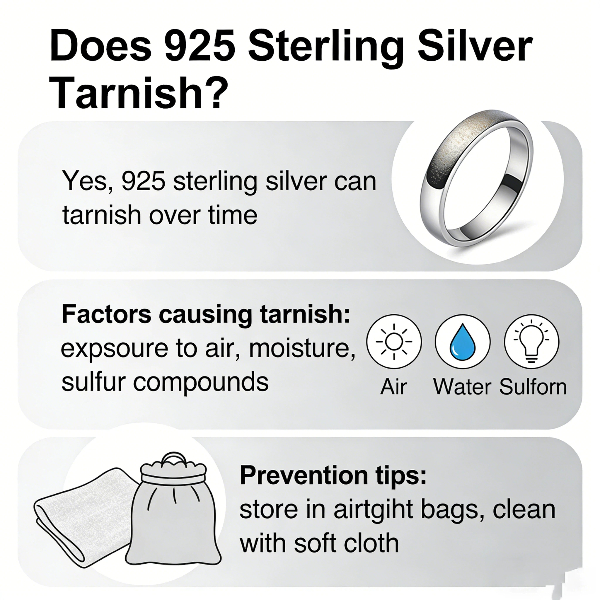
Does 925 Sterling Silver Tarnish?
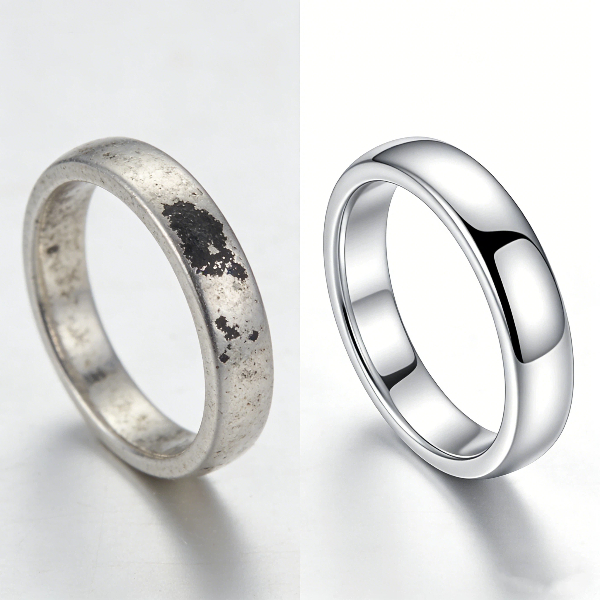
If you have been wondering does 925 sterling silver tarnish, the clear answer is yes. All genuine 925 sterling silver will develop tarnish over time. This is a natural chemical reaction, not a sign of poor quality or fake metal.
925 silver contains 92.5% pure silver and 7.5% other metals to improve strength. These extra metals react with air, moisture, sweat, and cosmetics, which creates the dark layer known as tarnish.
Why Does 925 Sterling Silver Tarnish?
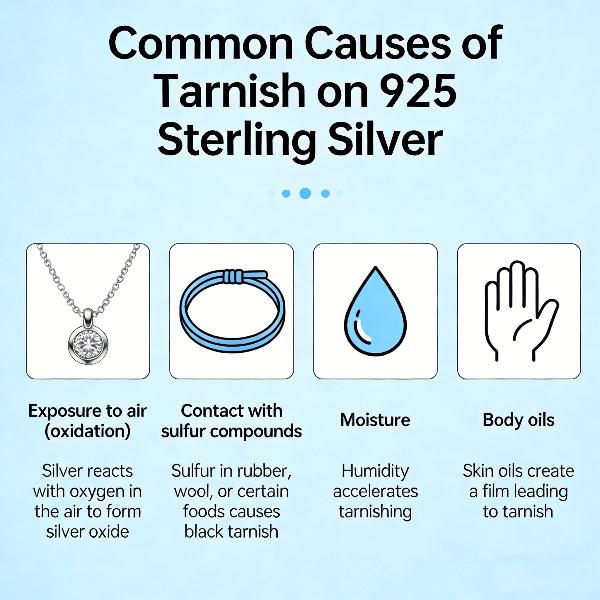
People who ask does 925 sterling silver tarnish easily usually want to understand the real causes. Tarnish does not appear by accident; it comes from daily environmental factors.
- Exposure to humid air and water
- Sweat, body oil, perfume, and lotion
- Soap, detergent, and cleaning chemicals
- Storage in open, damp, or dusty places
Even regular household environments can speed up tarnishing. The good news is that you can easily slow down and remove tarnish without professional help.
Can You Stop 925 Silver From Tarnishing?
You cannot completely stop silver from tarnishing forever, but you can greatly slow down the process. Proper daily care will keep your 925 sterling silver bright and clean much longer.
Limiting contact with moisture and chemicals is the simplest and most effective way to prevent unnecessary tarnish.
How to Fix Tarnished 925 Sterling Silver
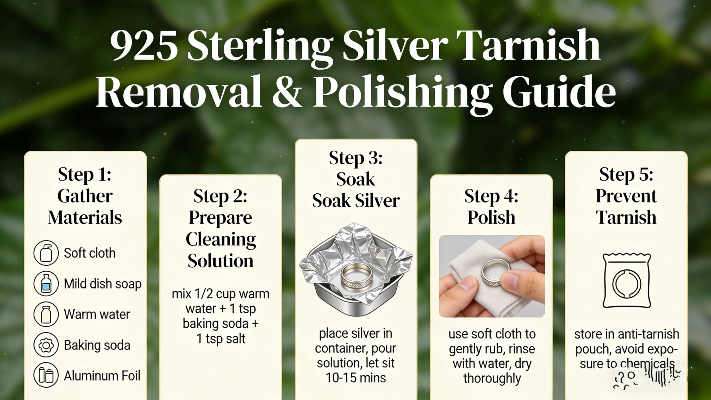
If your jewelry has already darkened, you can restore its shine at home with basic tools.
- Use a soft polishing cloth made for silver jewelry
- Wipe gently in one direction to avoid scratches
- Use mild silver cleaner for heavy tarnish
- Avoid hard brushes or strong chemicals
Regular, gentle cleaning is enough to keep your 925 silver in great condition for years.
Simple Ways to Prevent Tarnish on 925 Silver
- Remove jewelry before showering, swimming, or exercising
- Dry your silver immediately if it gets wet
- Store each piece in a dry, airtight bag or box
- Keep silver away from perfume, hairspray, and lotion
- Wear your silver regularly to slow down tarnish
After learning the truth about does 925 sterling silver tarnish, you can care for your jewelry with confidence. 925 silver is durable, affordable, and beautiful when maintained properly.
Small daily habits will keep your jewelry looking new and extend its lifespan. You do not need expensive treatments to maintain high-quality silver pieces.
Reference
Care and cleaning advice in this article follows expert guidelines from Jewelers Mutual, a trusted authority in jewelry care and maintenance.
https://www.jewelersmutual.com/the-jewelry-box/how-to-clean-silver-jewelry
Understanding how to care for your 925 sterling silver can help you keep your jewelry in great condition for many years. Simple daily habits and regular cleaning are far more effective than you might think. Proper maintenance also helps maintain the value and appearance of all your favorite silver jewelry pieces.
Regular care and proper storage are the simplest ways to keep your 925 sterling silver jewelry looking beautiful. A little effort each day can prevent heavy tarnish and reduce the need for deep cleaning. This makes your jewelry last longer and stay in great condition for daily wear and special occasions.
Conclusion
To answer the question does 925 sterling silver tarnish clearly: yes, tarnish is normal for all real 925 silver. With basic prevention and simple cleaning, you can keep your jewelry bright and attractive.
Proper care will protect your 925 silver jewelry and keep it ready for daily wear.
- Can Salt Water Ruin 925 Silver Jewelry - Post Date: 2026-03-22
- What’s The Difference Between Silver & Sterling Silver - Post Date: 2026-03-22
- Is 925 Silver A Precious Metal - Post Date: 2026-03-22
- What To Check When Buying Sterling Silver - Post Date: 2026-03-21
- Fake Silver vs Real 925 Silver - Post Date: 2026-03-21
- Can You Fix Blackened 925 Silver Jewelry - Post Date: 2026-03-21
- Can I Clean My 925 Silver While Showering - Post Date: 2026-03-21
- 925 Silver vs Gold Plated Jewelry: Which Is Better For You - Post Date: 2026-03-21
- How To Prevent 925 Silver From Tarnishing - Post Date: 2026-03-21
- How To Clean Tarnished 925 Silver At Home - Post Date: 2026-03-21
- Why is Cartier so expensive?What is special about Cartier? - Post Date: 2026-03-15
- skyworth tv is what brand?skyworth tv is it easy to use for? - Post Date: 2026-03-11
- Why is Van Cleef so expensive?Is Cartier or Van Cleef cheaper? - Post Date: 2026-03-17
- Why is Graff so expensive?Is Graff a high-end jewelry brand? - Post Date: 2026-03-18
- Is Cartier worth the money?Which is more expensive cartier or bvlgari jewelry? - Post Date: 2026-03-17
- 925 Silver vs Stainless Steel Jewelry - Post Date: 2026-03-20
- Is Bulgari a Luxury Brand?Is Bulgari higher than Cartier? - Post Date: 2026-03-18
- Why is Tiffany so expensive now?Is Tiffany considered a luxury brand? - Post Date: 2026-03-17
- Dreame brand is from which country?Is Dreame owned by Xiaomi? - Post Date: 2026-03-15
- How does the Pigeon brand ensure product safety - Post Date: 2026-03-17
- Fred Force 10 Bracelet Guide: Sizing, Price & Vintage Options - Post Date: 2026-04-05
- Is David Morris a luxury brand? Timeless Craftsmanship That Defines Elite Luxury - Post Date: 2026-04-04
- Who is the designer of Belperron jewelry? The Visionary Who Redefined Luxury - Post Date: 2026-04-04
- What makes Belperron jewelry unique? Fascinating Design Secrets Collectors Adore - Post Date: 2026-04-04
- Is Fred Jewelry under LVMH? Clear Ownership & Brand History Guide - Post Date: 2026-04-04
- Why is Boucheron so Expensive? Craftsmanship & Series That Justify the Price - Post Date: 2026-04-04
- Is Boucheron or Mellerio Older? Fascinating Age Comparison of Iconic Brands - Post Date: 2026-04-04
- When was Boucheron Founded? Fascinating Historical Origins Revealed - Post Date: 2026-04-04
- Is Boucheron a Luxury Brand? Expert Verdict & Analysis - Post Date: 2026-04-04
- Is Damiani a Luxury Brand? A Complete Expert Analysis - Post Date: 2026-04-04