
Where is John Hardy Jewelry Made? Inside the Bali Workshop (2026 Guide)
If you are wondering where is John Hardy jewelry made, the answer lies in the brand’s commitment to artisanal heritage: it is primarily handcrafted at their ...
If you are wondering where is John Hardy jewelry made, the answer lies in the brand’s commitment to artisanal heritage: it is primarily handcrafted at their flagship workshop in Mambal, Bali, Indonesia, with specialized gemstone setting completed in Bangkok, Thailand.
Founded in 1975 by Canadian artist John Hardy, the brand has remained deeply rooted in Balinese artisanal traditions while expanding its production capabilities to meet global demand. Every piece of John Hardy jewelry undergoes a meticulous 8-step handcrafting process that preserves centuries-old Balinese techniques passed down through generations.
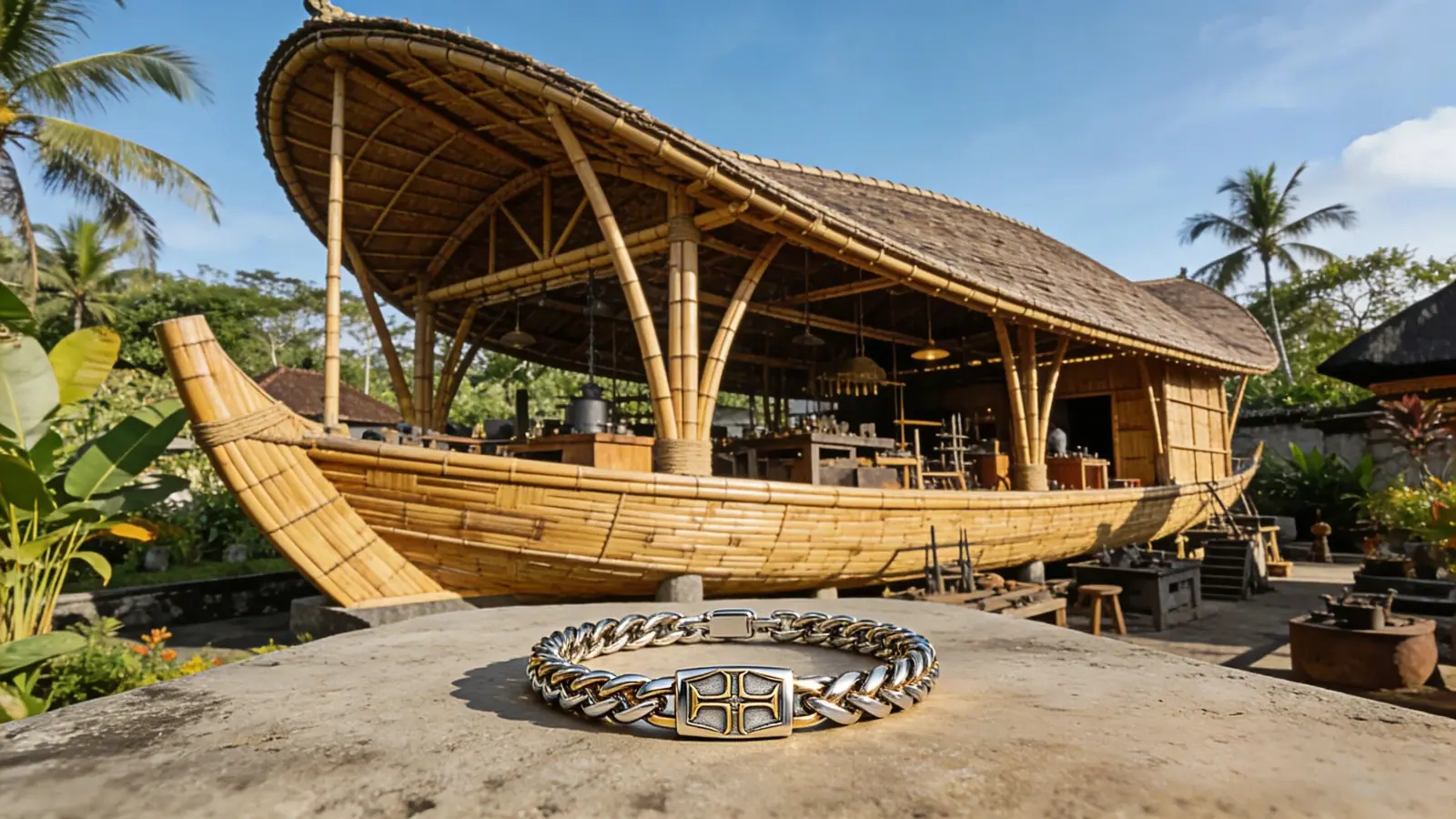
Mambal, Bali: Where is John Hardy Jewelry Made and Designed?
The heart of John Hardy’s production is their iconic workshop and design studio located in Mambal, just outside Ubud in Bali, Indonesia. Built in 1996, this sprawling 400-acre compound is more than just a manufacturing facility—it’s a living and working community that embodies the brand’s commitment to sustainability and cultural preservation.
Key Features of the Bali Workshop
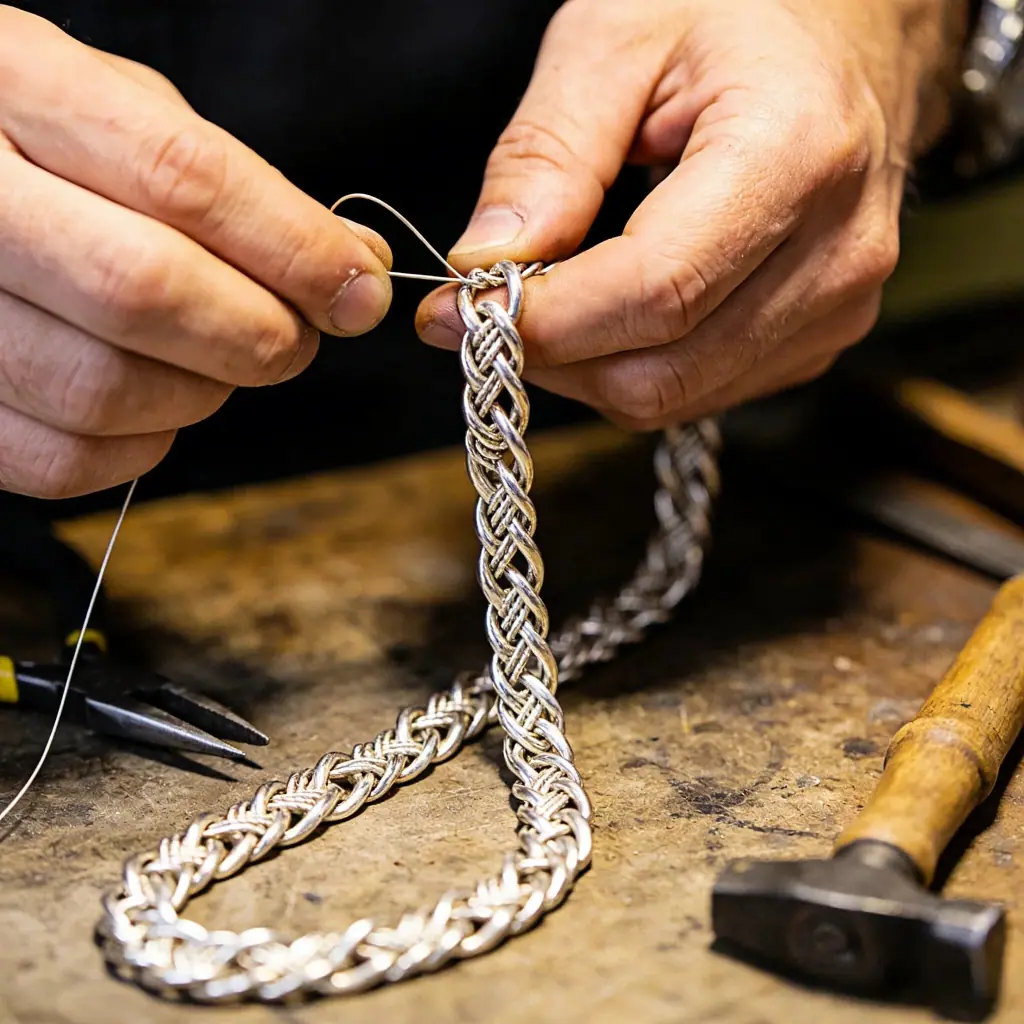
- Home to over 600 master artisans who specialize in traditional Balinese jewelry-making techniques
- Constructed using low-impact, native materials including bamboo, adobe, and thatch
- Surrounded by rice paddies and an organic permaculture farm that supplies food for the artisan community
- All wastewater generated by the workshop is recycled and used to irrigate the farm
- Open to the public for guided tours where visitors can watch artisans at work
- ISO 14001 certified for environmental management systems
The Bali workshop handles the majority of the jewelry-making process, from initial design sketches and wax carving to casting, assembly, and final polishing. Artisans here are trained in four traditional Balinese techniques that define John Hardy’s signature style: rantai (woven chain), tenun (woven mesh), jawan (granulation), and ukiran (cut work).
Secondary Facility: Bangkok, Thailand
While the core craftsmanship takes place in Bali, John Hardy operates a second production facility in Bangkok, Thailand, that specializes exclusively in gemstone setting. This strategic location leverages Thailand’s reputation as a global hub for gem and jewelry trade, particularly for its highly skilled master setters.
The Bangkok facility earned its ISO 14001 certification in October 2023, aligning with John Hardy’s global sustainability standards. As of 2026, both the Bali and Bangkok facilities continue to maintain peak environmental and ethical production standards, ensuring every piece meets modern luxury requirements. All gemstones used in John Hardy jewelry are ethically sourced and undergo rigorous quality control before being set by hand at this facility.
John Hardy’s 8-Step Handcrafting Process
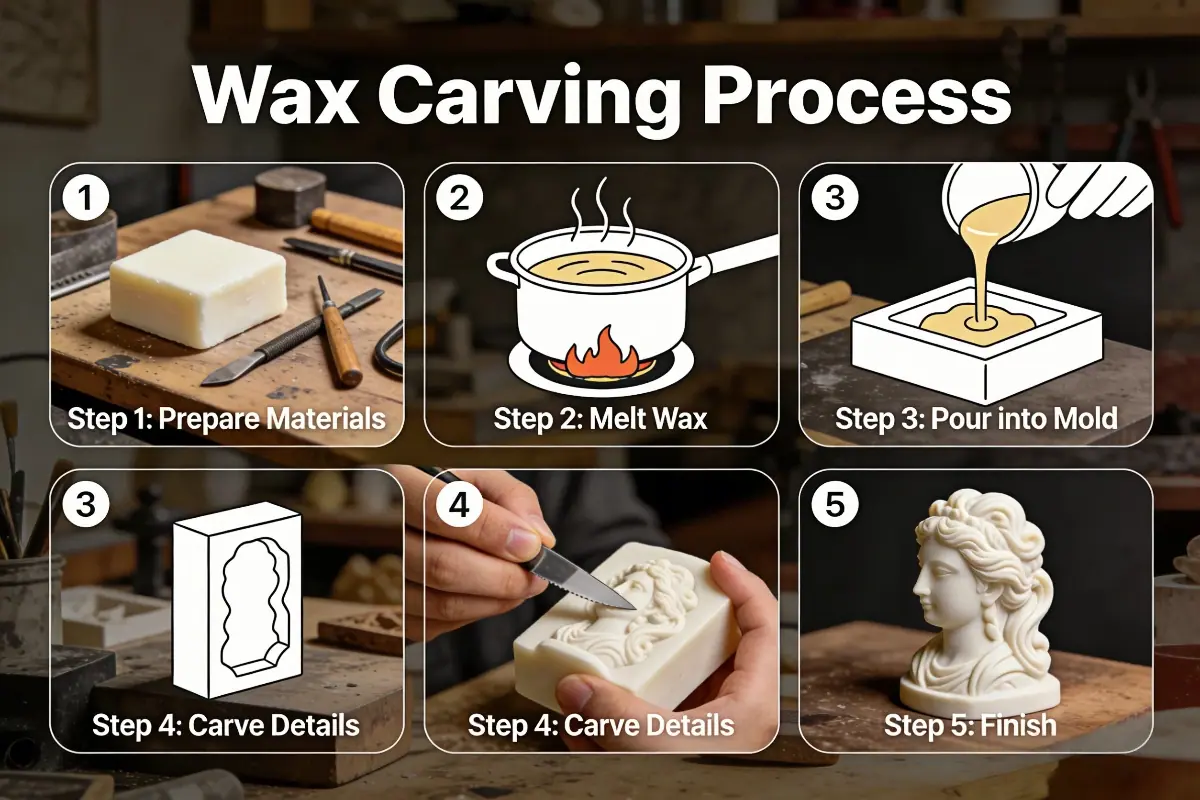
Every piece of John Hardy jewelry is made entirely by hand through a unique 8-step process that can take days or even weeks to complete, depending on the complexity of the design:
- Design – Every piece begins with a hand sketch that evolves into detailed watercolor illustrations
- Wax Carving – Artisans carve the design into hard green jeweler’s wax with precision tools
- Mold Making – Molds are created from the master wax carving for future reproductions
- Wax Injection – Molten wax is injected into the molds to create multiple wax copies
- Wax Tree Assembly – Wax pieces are attached to a central sprue to form a “tree”
- Casting – The wax tree is invested in plaster and placed in an oven where the wax melts away, leaving a cavity that is filled with molten reclaimed silver or gold
- Assembly – Individual components are soldered together and cleaned by hand
- Finishing – The final step includes polishing, texturing, and hand-setting each gemstone
One of John Hardy’s most iconic pieces, the Classic Chain bracelet, takes a single artisan approximately four full days to weave by hand using the traditional rantai technique. This intensive manual labor is a primary reason why John Hardy jewelry is so expensive compared to mass-produced brands.
Sustainability and Ethical Production
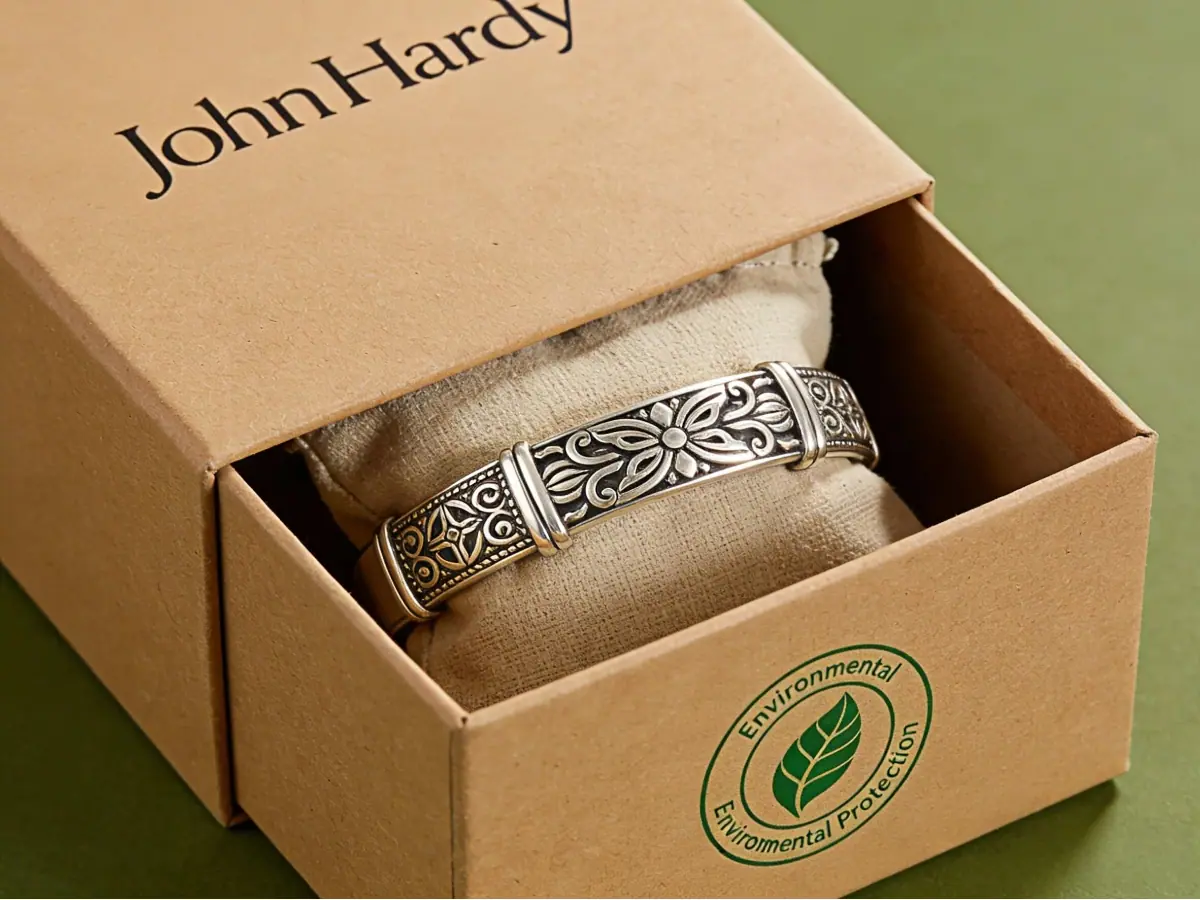
John Hardy has been a pioneer in sustainable luxury since its founding in 1975, long before environmental responsibility became a mainstream concern in the jewelry industry:
- Uses 100% reclaimed silver and gold in all jewelry, eliminating the need for newly mined metals
- All diamonds are conflict-free and comply with the United Nations Kimberley Process
- All gemstones are sourced following the brand’s strict Ethical Sourcing Code of Conduct
- Operates with a zero industrial waste to landfill policy
- Has planted over 1.5 million bamboo seedlings in Indonesia through its “Wear Bamboo, Plant Bamboo” program
- Offers a “Jobs for Life” program that provides training and lifelong employment to local artisans
- Member of the Responsible Jewellery Council (RJC)
Common Misconceptions About John Hardy Manufacturing
Is John Hardy jewelry made in China?
No, John Hardy does not manufacture any of its jewelry in China. All production takes place exclusively at their facilities in Bali, Indonesia and Bangkok, Thailand. The brand’s headquarters are located in New York City, but no manufacturing occurs there.
Is John Hardy jewelry mass-produced?
No, every piece of John Hardy jewelry is made entirely by hand by skilled artisans. While the brand has grown significantly since its founding, it has maintained its commitment to traditional craftsmanship rather than adopting mass production methods.
Frequently Asked Questions
How can I tell where is my John Hardy jewelry made?
All John Hardy jewelry is marked with a hallmark that indicates the metal purity and the country of origin. Pieces made in Bali will be marked “INDONESIA” while pieces with gemstones set in Thailand may also bear a “THAILAND” mark.
Can I visit the John Hardy workshop in Bali?
Yes, the John Hardy Kapal Bamboo Boutique & Workshop in Mambal, Bali is open to the public daily from 10 am to 6 pm. Visitors can take guided tours of the workshop, watch artisans at work, and shop the full collection.
Does John Hardy outsource any of its production?
No, John Hardy owns and operates both its Bali and Bangkok facilities, maintaining complete control over every aspect of the production process to ensure quality and ethical standards.
What materials does John Hardy use?
John Hardy primarily uses 100% reclaimed sterling silver and 18k gold, along with ethically sourced diamonds and gemstones including sapphires, rubies, emeralds, and semi-precious stones.
Conclusion
John Hardy jewelry is made with exceptional care and craftsmanship at their flagship workshop in Mambal, Bali, Indonesia, with gemstone setting completed at their facility in Bangkok, Thailand. For over 50 years, the brand has remained true to its Balinese roots, preserving traditional techniques while leading the industry in sustainable luxury practices. Each piece of John Hardy jewelry is not just an accessory—it’s a work of art that tells a story of cultural heritage, skilled craftsmanship, and environmental responsibility.
About the Author

James Wong is a senior jewelry researcher with 8+ years of experience in luxury brand authentication. Specializing in legacy brands like Cartier and Mikimoto, he combines technical testing with market trend analysis to provide industry-leading guides on gold, silver, and gemstones.
- Is John Hardy a Luxury Brand? (2026 Brand Guide) - Post Date: 2026-04-07
- Is John Hardy a Good Brand? Its Origin & Design Story 2026 Ultimate - Post Date: 2026-03-26
- Why is john hardy jewelry so expensive - Post Date: 2026-03-25
- Is David Morris a luxury brand? Timeless Craftsmanship That Defines Elite Luxury - Post Date: 2026-04-04
- Who is the designer of Belperron jewelry? The Visionary Who Redefined Luxury - Post Date: 2026-04-04
- What makes Belperron jewelry unique? Fascinating Design Secrets Collectors Adore - Post Date: 2026-04-04
- Is Fred Jewelry under LVMH? Clear Ownership & Brand History Guide - Post Date: 2026-04-04
- Why is Boucheron so Expensive? Craftsmanship & Series That Justify the Price - Post Date: 2026-04-04
- Is Boucheron or Mellerio Older? Fascinating Age Comparison of Iconic Brands - Post Date: 2026-04-04
- When was Boucheron Founded? Fascinating Historical Origins Revealed - Post Date: 2026-04-04
- Why is Cartier so expensive?What is special about Cartier? - Post Date: 2026-03-15
- skyworth tv is what brand?skyworth tv is it easy to use for? - Post Date: 2026-03-11
- Why is Van Cleef so expensive?Is Cartier or Van Cleef cheaper? - Post Date: 2026-03-17
- Why is Graff so expensive?Is Graff a high-end jewelry brand? - Post Date: 2026-03-18
- Is Cartier worth the money?Which is more expensive cartier or bvlgari jewelry? - Post Date: 2026-03-17
- 925 Silver vs Stainless Steel Jewelry - Post Date: 2026-03-20
- Is Bulgari a Luxury Brand?Is Bulgari higher than Cartier? - Post Date: 2026-03-18
- Why is Tiffany so expensive now?Is Tiffany considered a luxury brand? - Post Date: 2026-03-17
- Dreame brand is from which country?Is Dreame owned by Xiaomi? - Post Date: 2026-03-15
- How does the Pigeon brand ensure product safety - Post Date: 2026-03-17
- Is John Hardy a Luxury Brand? (2026 Brand Guide) - Post Date: 2026-04-07
- Cartier vs Van Cleef & Arpels: Which Jewelry Holds Value Better in 2026? - Post Date: 2026-04-06
- 925 Sterling Silver Care: The Ultimate Guide to Cleaning & Prevention - Post Date: 2026-04-06
- Fred Force 10 Bracelet Guide: Sizing, Price & Vintage Options - Post Date: 2026-04-05
- Is David Morris a luxury brand? Timeless Craftsmanship That Defines Elite Luxury - Post Date: 2026-04-04
- Who is the designer of Belperron jewelry? The Visionary Who Redefined Luxury - Post Date: 2026-04-04
- What makes Belperron jewelry unique? Fascinating Design Secrets Collectors Adore - Post Date: 2026-04-04
- Is Fred Jewelry under LVMH? Clear Ownership & Brand History Guide - Post Date: 2026-04-04
- Why is Boucheron so Expensive? Craftsmanship & Series That Justify the Price - Post Date: 2026-04-04
- Is Boucheron or Mellerio Older? Fascinating Age Comparison of Iconic Brands - Post Date: 2026-04-04