
Why is Mejuri so expensive now
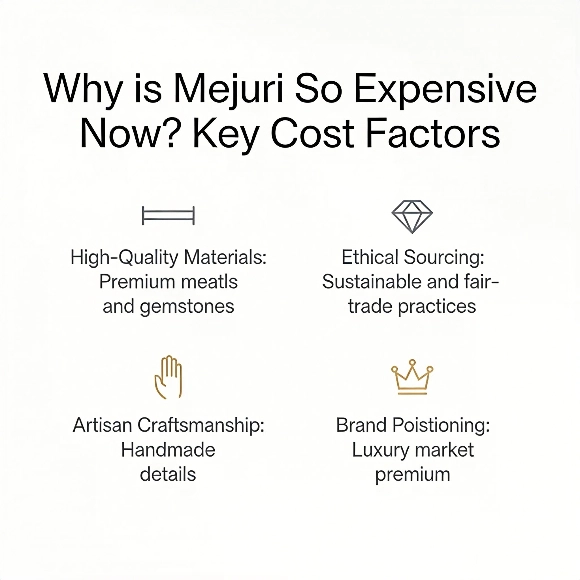
Many customers ask why is Mejuri so expensive now, as prices have risen in recent years due to material costs, inflation, sustainability investments and brand improvements.
Many shoppers have noticed higher price tags and wonder why is Mejuri so expensive now compared to a few years ago. The brand was once known for highly accessible fine jewelry, but recent shifts in global costs, material prices, and brand investments have led to noticeable price increases across its collections.
The question of why is Mejuri so expensive now comes from a mix of external economic pressures and internal choices to improve quality, sustainability, and craftsmanship. Mejuri still operates under a direct-to-consumer model that keeps prices lower than traditional luxury brands, but it can no longer absorb all rising costs on its own.
1. Why is Mejuri so expensive now: Rising Precious Metal Costs
1.1. Gold and Silver Price Surges
The biggest reason why is Mejuri so expensive now is the huge jump in global gold and silver prices. Over the last two years, gold has reached record highs, increasing production costs for every solid gold and vermeil piece Mejuri makes.
Since the brand uses real 14k gold and 925 sterling silver for most of its jewelry, it cannot avoid passing these costs to customers. This raw material inflation is the single largest factor behind higher prices and the most common answer to why is Mejuri so expensive now.
Even small increases per ounce translate to large jumps in finished jewelry costs, especially for rings, bracelets, and chunkier designs. As a responsible brand that refuses to switch to cheaper alloys, Mejuri has had to adjust pricing accordingly.
1.2. Higher Lab-Grown Diamond and Gemstone Costs
Mejuri’s increased use of lab-grown diamonds and premium gemstones also contributes to why is Mejuri so expensive now. Demand for ethical stones has driven up production and certification costs, even for lab-created options.
Each stone is carefully selected and inspected, adding to the overall expense. While these materials improve quality and durability, they also raise the final price of Mejuri’s jewelry collections.
2. Why is Mejuri so expensive now: Inflation and Supply Chain Costs
2.1. Manufacturing and Labor Costs
Global inflation has increased labor, factory, and production expenses worldwide. Skilled jewelry craftsmanship requires experienced artisans, and their wages have risen significantly, adding to why is Mejuri so expensive now.
Production costs, utility bills, and equipment maintenance have all increased, forcing brands like Mejuri to adjust pricing to maintain quality standards. These operational pressures affect every step from molding to polishing and final inspection.
2.2. Shipping, Logistics, and Global Distribution
Shipping and logistics costs have jumped sharply since 2025, with international transportation and customs fees increasing across the board. Mejuri’s global supply chain and worldwide shipping network mean these extra costs directly influence why is Mejuri so expensive now.
The brand also operates physical retail stores, which add rent, staffing, and operational overhead. These expenses are part of the overall pricing structure that customers see today.
3. Why is Mejuri so expensive now: Sustainability and Ethical Investments
Mejuri has significantly increased its use of recycled gold and silver, which often costs more than newly mined metals. The brand also follows strict ethical sourcing standards and pays for third-party certifications to prove its commitments.
These eco-friendly and ethical choices improve brand integrity but add production costs, explaining part of why is Mejuri so expensive now. Environmentally safe packaging and waste-reduction programs also contribute to higher overall expenses.
As shown by JCK Magazine, sustainable jewelry brands almost always face higher material costs, which are eventually reflected in consumer pricing.
4. Why is Mejuri so expensive now: Improved Craftsmanship and Quality
Mejuri has upgraded its design, finishing, and quality control standards to compete at a higher level. Thicker plating, stronger settings, smoother polishing, and stricter inspection all require more time and labor, which adds to cost.
The brand also releases more frequent and original designs, supported by a larger design team. These improvements enhance the look and longevity of each piece but are key factors in why is Mejuri so expensive now compared to basic fashion jewelry.
Better durability means Mejuri pieces last much longer than cheaper alternatives, offering better long-term value despite higher upfront costs.
5. Why is Mejuri so expensive now: Brand Positioning and Market Growth
As Mejuri has grown into a globally recognized name, its positioning has shifted toward premium accessible luxury. The brand’s popularity, social media presence, and customer loyalty allow for gradual price adjustments while maintaining strong demand.
While still far more affordable than Cartier, Tiffany, or other high-end jewelers, Mejuri has moved upward in the market. This natural brand evolution is another quiet reason why is Mejuri so expensive now compared to its early startup years.
Featured in Vogue and other major fashion publications, Mejuri now carries a brand value that supports its updated pricing structure.
6. Is Mejuri still worth the higher price?
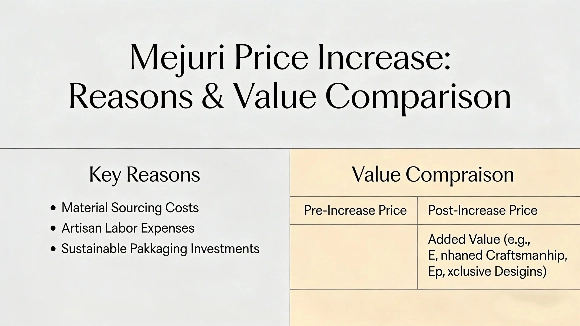
Even with price increases, Mejuri remains more affordable than traditional fine jewelry brands because of its direct-to-consumer model. It cuts out middlemen and retail markups that typically double or triple costs in department stores.
For shoppers wanting real gold, silver, and diamonds without luxury house prices, Mejuri still offers strong value. Understanding why is Mejuri so expensive now helps buyers recognize the real quality and ethics behind each piece.
To learn more about silver jewelry care and value, you can read is 925 sterling silver real silver.
For tips on checking genuine precious metals, explore how to check if gold is real.
If you wear silver daily, you may also find helpful details in can you shower with 925 sterling silver jewelry.
- Is Mejuri or Gorjana Better? 2026 Honest & Detailed Comparison Guide - Post Date: 2026-03-31
- What Celebrities Wear Mejuri? The Best Star Style Guide 2026 - Post Date: 2026-03-30
- Does Mejuri Use Real Gold? The Definitive Answer 2026 - Post Date: 2026-03-30
- Does Mejuri Make Custom Jewelry? The Honest Truth 2026 - Post Date: 2026-03-30
- Is Mejuri Good Jewelry? Honest Quality, Materials & Durability Review - Post Date: 2026-03-30
- Is Mejuri a Japanese Company? Full Brand Origin & History Guide - Post Date: 2026-03-30
- What makes Belperron jewelry unique? Fascinating Design Secrets Collectors Adore - Post Date: 2026-04-04
- Why is Boucheron so Expensive? Craftsmanship & Series That Justify the Price - Post Date: 2026-04-04
- When was Boucheron Founded? Fascinating Historical Origins Revealed - Post Date: 2026-04-04
- Is Boucheron a Luxury Brand? Expert Verdict & Analysis - Post Date: 2026-04-04
- Why is Cartier so expensive?What is special about Cartier? - Post Date: 2026-03-15
- skyworth tv is what brand?skyworth tv is it easy to use for? - Post Date: 2026-03-11
- Why is Van Cleef so expensive?Is Cartier or Van Cleef cheaper? - Post Date: 2026-03-17
- Why is Graff so expensive?Is Graff a high-end jewelry brand? - Post Date: 2026-03-18
- Is Cartier worth the money?Which is more expensive cartier or bvlgari jewelry? - Post Date: 2026-03-17
- 925 Silver vs Stainless Steel Jewelry - Post Date: 2026-03-20
- Is Bulgari a Luxury Brand?Is Bulgari higher than Cartier? - Post Date: 2026-03-18
- Why is Tiffany so expensive now?Is Tiffany considered a luxury brand? - Post Date: 2026-03-17
- Dreame brand is from which country?Is Dreame owned by Xiaomi? - Post Date: 2026-03-15
- How does the Pigeon brand ensure product safety - Post Date: 2026-03-17
- Who is the designer of Belperron jewelry? The Visionary Who Redefined Luxury - Post Date: 2026-04-04
- What makes Belperron jewelry unique? Fascinating Design Secrets Collectors Adore - Post Date: 2026-04-04
- Is Fred Jewelry under LVMH? Clear Ownership & Brand History Guide - Post Date: 2026-04-04
- Why is Boucheron so Expensive? Craftsmanship & Series That Justify the Price - Post Date: 2026-04-04
- Is Boucheron or Mellerio Older? Fascinating Age Comparison of Iconic Brands - Post Date: 2026-04-04
- When was Boucheron Founded? Fascinating Historical Origins Revealed - Post Date: 2026-04-04
- Is Boucheron a Luxury Brand? Expert Verdict & Analysis - Post Date: 2026-04-04
- Is Damiani a Luxury Brand? A Complete Expert Analysis - Post Date: 2026-04-04
- How much is Graff Diamonds worth? Honest Value Breakdown - Post Date: 2026-04-04
- Is Graff Jewelry Worth It? Honest Luxury Value Review - Post Date: 2026-04-03